



Related Articles
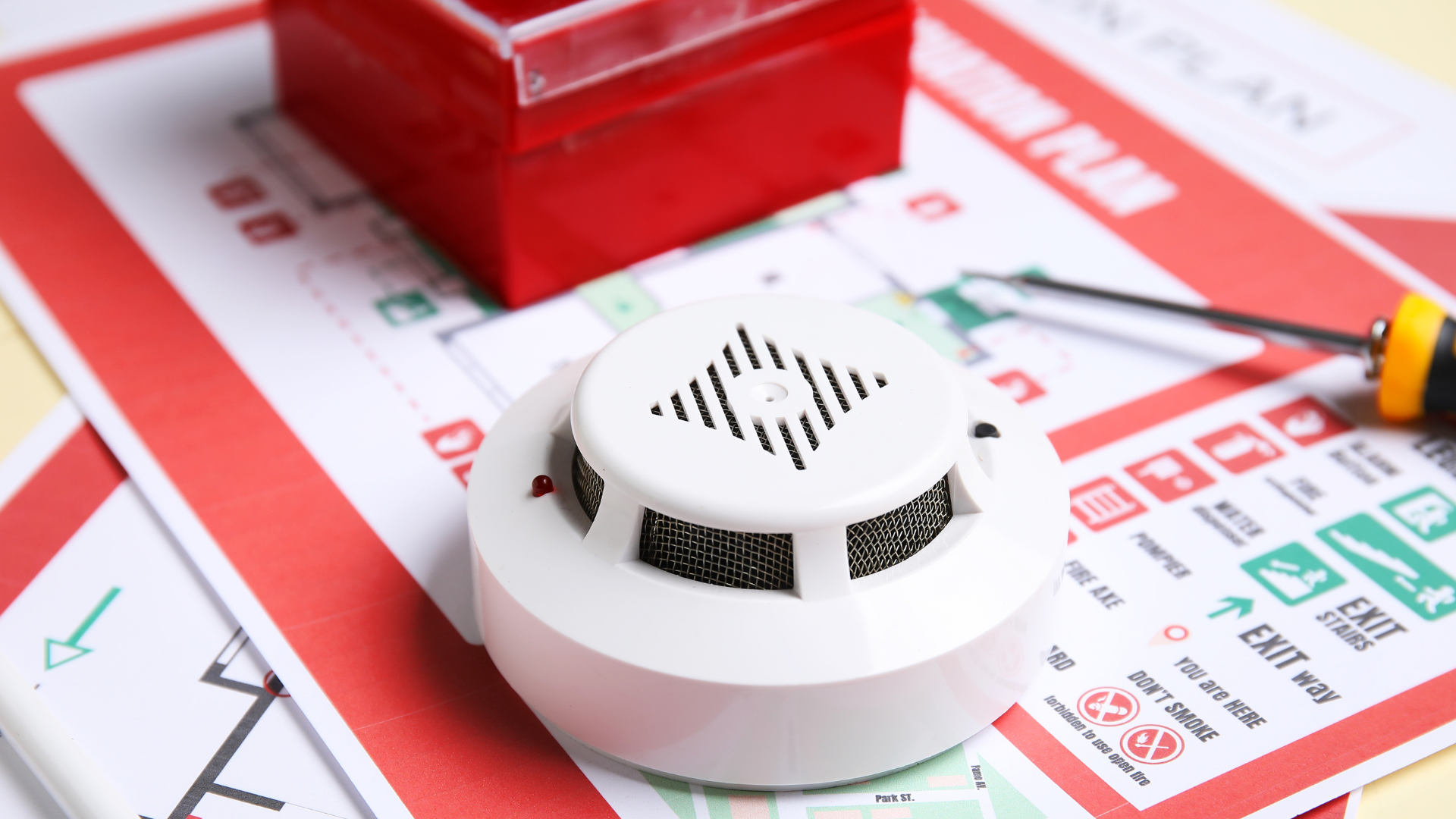

The Fire Safety (Residential Evacuation Plans) (England) Regulations 2025 mark a major shift in how fire safety is managed in residential buildings, particularly for vulnerable and disabled residents. These regulations stem directly from Recommendation 33.22 of Phase 1 of the Grenfell Tower Inquiry and are designed to ensure that no resident with impairments is left behind during an emergency.
At the heart of the new legislation are two key components:
- Person-Centred Fire Risk Assessments (PCFRAs)
- Emergency Evacuation Statements (EES)
Together, these form a new resident-focused approach to fire safety, one that places significant responsibility on the Responsible Person (RP), often the property manager or building owner.
The Requirements
An Emergency Evacuation Statement is a written plan detailing how each resident will evacuate the building in the event of an emergency. It sets out clear, actionable steps and identifies any support or equipment required for safe evacuation.
The real challenge lies with Person-Centred Fire Risk Assessments (PCFRAs). These go beyond simple planning and require actively identifying risks within residents’ homes and implementing practical measures to reduce them. This means engaging directly with residents, understanding their individual needs, and ensuring that the building’s fire safety provisions truly reflect those realities.
Practical and Ethical Challenges
While the intentions behind the regulations are clear, there are several implementation concerns:
- What if a resident refuses access to their flat?
- What if they decline to participate in the assessment process?
- How can RPs ensure compliance without enforcement mechanisms?
Currently, there is no clear legal route for compelling residents to take part, yet the responsibility, and liability, still falls on the Responsible Person.
Another controversial point concerns cost. Under Regulation 7(3), the RP is not required to implement mitigating measures that the resident is unwilling to pay for. However, Section 20(7) of the Equality Act 2010 states that a person with a duty to make reasonable adjustments cannot pass that cost onto a disabled individual. This apparent contradiction has been strongly criticised by advocacy groups such as Inclusion London, who argue that the 2025 Regulations represent a step backward for disability equality and fire safety justice.
What this means for Responsible Persons
For RPs, the new regulations demand much more than paperwork. Meeting residential PEEP requirements involves:
- Conducting thorough PCFRAs
- Maintaining up-to-date evacuation statements
- Engaging regularly with residents
- Keeping meticulous records
- Reviewing and updating assessments as circumstances change
For those managing multiple properties, these tasks present a substantial operational and administrative challenge.
At Black Boots, we’re helping Responsible Persons navigate the complex requirements through a structured and practical framework that supports regulatory compliance and enhances resident safety. Get in touch to find out more.
Last Updated: 03/03/2026